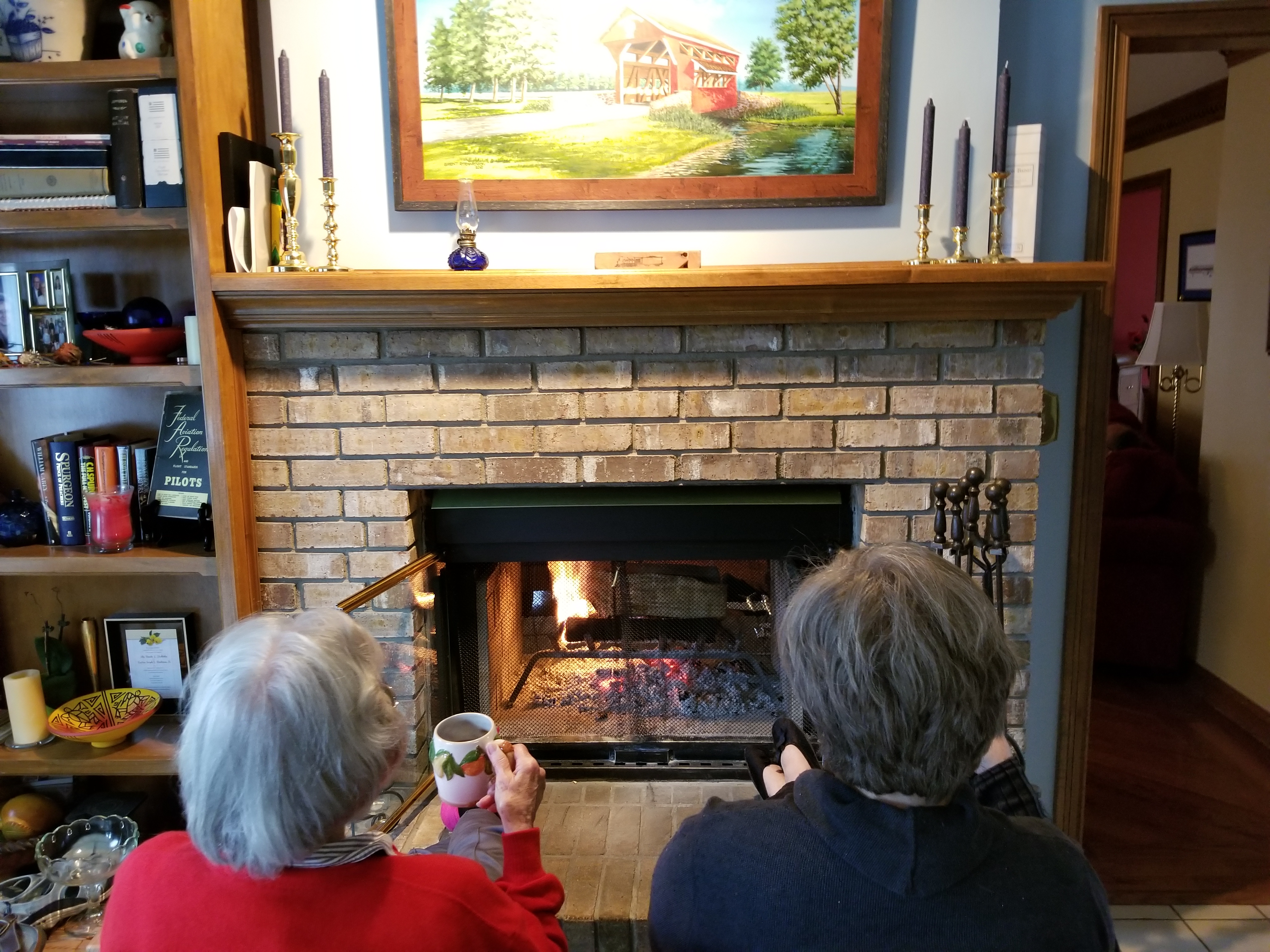
This post was first published on February 9, 2015, and it’s one of my personal favorites. What better day than this to re-post this important lesson on love!
___________
In the true spirit of transparency, I’ll admit it: I’m a hopeless romantic. Oh sure, in my heart I want to be—and try to be—the girl who says, “Oh, I don’t need flowers or chocolates or diamonds. You should give that money to the poor and help feed children around the world.” Really, I know that’s true, and that it’s the best use of funds, and that it’s what truly matters. But I must confess that if the truth were known, I’d have to admit that I want dozens of yellow roses, boxes and boxes of chocolates, and the biggest diamonds in all the land.
 And I know I’m not the only one (though your favorite color of rose or flower may differ from mine)!
Maybe it’s just a girl thing—maybe it’s just me. But when I think of love, all too often I think of “romance.” Yes, true romance is a demonstration of the love two people have for one another, and it generally entails the positive, nice to gaze upon, easily framed picture of love. But love itself is so much more.
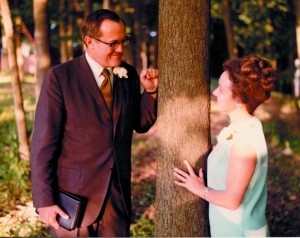
Oh, I’ve always known that my parents were hopelessly and wonderfully in love. They held hands constantly, and after washing and drying the supper dishes, they would kiss—right there in the kitchen for all the world to see! And they still did this after sixty-three years of marriage. It was sweet, genuine, and driven by the most precious love I’ve ever seen in action.
But in this past year, already in my fifties, I think I finally woke up and saw love from the front-row seat of reality, and I realized that its magnitude ran far deeper than the romantic outpourings of its touches, kisses, gifts, and caring words. With eyes wide open, I saw what love really looks like, and although on many levels, “it ain’t pretty,” at its core, it’s the most beautiful of all human gifts, as seen in the descriptive phrases from 1 Corinthians 13:4–8 (NIV wording).
Love is patient. When my father needed something, he would ring a bell if my mother or I were out of the room. While many of us (and by us I refer to myself) would be tempted to throw the bell into the nearest dumpster after multiple back-to-back rings, with each ring of the bell, my mother would walk in and ask in gentle, loving tones, “How may I help you, my sweetheart?”
Love is kind. I saw my mom not only respond in kindness to my father this past year, but in spite of probing questions from people who cared, I never heard her speak unkindly about my father.
It does not envy. On more than one occasion, I heard both of my parents say that they wouldn’t trade “this time” (meaning the time of Mom’s providing care and of Dad’s becoming more frail, but from within the walls of his own home) for anything. They didn’t envy the health of others or begrudge each other’s talents, gifts, or moments of attention.
It does not boast. The way I see it, boasting represents an outward show for outward praise. Mom could have told the world all that she was doing behind the scenes because of her love for Dad. But in the quietness of an average bedroom in an average house in an average town, my parents generously and privately gave each other the gift of true, enduring love.
 It is not proud. Being a caregiver for a spouse who is gradually becoming more and more physically incapable requires a level of humility that suddenly makes the sparkle of a diamond grow very, very dim.
It does not dishonor others. To his very last day of speaking, my father honored my mother by his words and by his actions. She returned that honor at every given moment of every given day. This is indeed a rare gift. But it exists. I saw it with my own eyes and heard it with my own ears, and I realized that honor most often shows up in words of gratitude.
It is not self-seeking. I will not ever forget seeing my eighty-three-year-old mother lying on the floor next to my father’s bed night after night so that, in spite of the difficulties that come from sleeping on a hard floor, she would be right there when he called out for help in the night. (We later insisted that she use an inflatable air mattress, and she was able to keep that right next to his bed as well.)
It is not easily angered. Love doesn’t make excuses for someone else, but it does allow you to see the explanations behind their actions. Excuses cover or try to preempt anger. Explanations provide the level of understanding that is the result of truly loving someone.
It keeps no record of wrongs. Next time you want to dredge up the list of things your spouse has done wrong or hasn’t done right in order to “win” an argument, gain control, or have your own way, I want you to remember that in my parents’ last days together, those things no longer mattered. Love not only threw away the list; it had never kept a list to begin with!
Love does not delight in evil but rejoices with the truth. It would be so easy to focus on death and dying when its certainty is inevitable, but my parents chose to focus on life. Yes, death was going to be gain, so it was talked about with the delight of seeing Jesus face to face rather than with the “woe is me” focus that would have taken everyone’s eyes off of the One who is the way, the truth, and the life.
It always protects. Sometimes protecting someone means loving that person enough to walk beside him or her through the hurts that you cannot prevent. I believe that Mom would have taken every symptom of Parkinson’s on herself, but instead, she protected my dad from going through them alone.
Always trusts. Trust is a powerful element of love. It provides both the impetus and the reward for giving all that you are with all that you have to the one you trust and to the one who is trusting you.
 Always hopes. I thought long and hard about this one, because I do not want to misrepresent any of these illustrations of love. But I can say with sincerity that in the midst of this past year of “final days,” I never saw my parents lose hope. It is true: God’s faithfulness provides “strength for today and bright hope for tomorrow.”
Always perseveres. The fact that I am able to post this list of ways in which I saw my parents live out genuine love for one another (and for God!) states in no uncertain terms that love endures far beyond the romance of touches, kisses, gifts, and caring words.
Love never fails. “In sickness and in health” is all-encompassing. And while my parents’ love endured and never failed, I would be remiss not to state here that God’s love is the perfect, unfailing, unconditional love that sets the standard.
So in the midst of this Valentine’s Day week, as you see outward displays of affection, which are all very nice indeed, remember to see what the Bible says about what it means to truly love someone. It is there that you will see what love really looks like!
Like this:
Like Loading...
 Flying involves working with several areas of knowledge—for example, weather, the physics of flight, navigation, and federal air regulations. Perhaps my favorite of these is navigation, which is the art and science of drawing a line on a map, figuring wind direction and speed, and finding where to point the nose of the airplane in order to get from origin to destination.